

As the federal commitment to reduce global warming pollution stalls or is diminished under the administration of President Trump, voluntary actions to curb greenhouse gas emissions will become more important than ever. Fortunately, in the last few years, several new options have emerged for individuals and businesses to do that by buying more physical green energy. This paper reviews these options and argues that it is time for the industry to move beyond yesterday’s green electricity products.
 Buying Green Power Today: Emerging Options for US Electricity Consumers
by Geoff Bromaghim, 12/11/2013
This working paper clarifies the emerging options available to individuals and businesses who want to use their purchasing power to support green electricity. Geoff Bromaghim, ACSF’s Energy Policy Research Associate, discusses third-party financing, community shared projects, consumer Power Purchase Agreements, renewable tariffs and innovative capital investment vehicles.
 Renewable Power Direct: Supplying Renewable Electricity To Commercial & Industrial Customers With Wholesale Term Contracts
by Gregory C. Staple and Peter Weigand, 09/01/2013
RPD’s innovative approach offers a practical way for large electricity consumers to source green power directly from proven wind and solar facilities using medium term wholesale contracts sized to a customer’s needs. RPD is currently in startup mode. It is being incubated by ACSF and Skippingstone, a national energy market consultant.
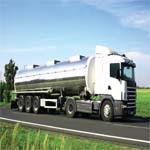 Driving on Natural Gas: Fuel Price and Demand Scenarios for Natural Gas Vehicles to 2025
by Gregory C. Staple and Patrick Bean , 04/11/2013
Our new report finds that a transition to natural gas-fueled heavy duty and light duty vehicles over the next decade will have a minimal impact on natural gas prices. The report uses three scenarios to calculate potential natural gas demand and price impacts attributable to natural gas vehicles (NGVs).
 Post-Election Prospects for Natural-Gas-Fired Generation
by Gregory C. Staple and Patrick Bean, 03/01/2013
The extraordinary growth of gas-fired generation during President Obama’s first term has upended power markets across the country. But how will gas-fired power fare during the next four years? And how much will the outcome be impacted by the federal energy and environmental policies that the Administration and Congress can shape? This essay provides some preliminary answers to these questions.
 ACSF, Moniz Team Up for “Future of Natural Gas”
by Massachusetts Institute of Technology , 06/06/2011
This report was initiated by ACSF and sponsored in part by the Foundation and several other groups, including MIT Energy Initiative (MITEI) members Hess Corporation and Agencia Naçional de Hidrocarburos (Colombia), the Gas Technology Institute (GTI), Exelon, and an anonymous donor. ACSF’s CEO, Gregory C. Staple, served on the report’s 18-person advisory committee.

This strategic primer highlights the joint economic and security interests the United States and Europe have regarding the export of liquefied natural gas (LNG). It details the major transatlantic connections underlying the export debate.
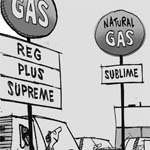
This updated edition of Where Can I Fill Up? expands on the information in the August 2012 report. It provides more than 20 pages of new information on who is building NGV fueling infrastructure, along with more detail on where and how this infrastructure is being added and government policies pertaining to the development of NGV fueling infrastructure.
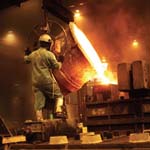 Lessons from Ohio: Building a Clean Energy Supply Chain
by Ed Weston and Mathew Bramson of WIRE-Net, 12/10/2012
What has Ohio’s experience taught us about energy-related manufacturing in America? Work in energy is providing significant revenue to most manufacturers, especially those serving clean energy markets. Energy markets are also attracting investment in new machinery and facilities, which is creating good manufacturing jobs and the positive feelings about the energy drivers of these jobs. Read more. Request a printed copy.
 Into the Driver’s Seat: States Take Action to Boost NGV Adoption
by Gregory C. Staple and Matthew Slavin, 11/05/2012
State governments are jumping into the driver’s seat when it comes to natural gas vehicles (NGVs). Led by Colorado Governor John Hickenlooper and Oklahoma Governor Mary Fallin, 22 Democratic and Republican governors have created a multistate consortium to procure NGVs for their government fleets. The goal is to aggregate purchasing power and provide an economy-of-scale incentive for automakers to produce more NGVs at lower prices. But, the purchasing consortium belies a more important role that states have to play in accelerating the nation’s NGV market.
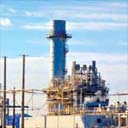
What happens next? That’s the question many industry watchers recently began asking after the Energy Information Administration (EIA) reported in April that, for the first time, power plants fired by natural gas had matched the nationwide share of coal-fired generation—32 percent for each. The April data was so surprising because, just two years earlier, coal-fired power had attained a market share of over 44 percent, with gas lagging at 22 percent.
 Tech Effect: How Innovation in Oil and Gas Exploration is Spurring the U.S. Economy
by American Clean Skies Foundation, 09/19/2012
This new ACSF report, based on analysis conducted by ICF International, shows that shale gas and tight oil production will add $167 billion to $245 billion to the U.S. gross domestic product by 2017, and that will deliver 835,000 to 1.6 million new jobs. This is only one of the many ways technological innovations in natural gas and tight oil production are transforming the U.S. economy. Read the executive summary. Request a printed copy.
This new 60 page ACSF report provides a comprehensive up-to-date survey of private sector and state government initiatives to build out natural gas vehicle (NGV) fueling stations across America. It covers investments in new CNG and LNG facilities and contains detailed state-by-state profiles of incentives (tax credits, loans, grants, public utility programs) now available to promote NGV infrastructure.
 Oil Shift: The Case for Switching Federal Transportation Spending to Alternative Fuel Vehicles
by Warren G. Lavey and Gregory C. Staple, 08/01/2012
New report recommends government extend sustainability practices beyond vehicle fleets; finds $25 billion in U.S. budget savings from switching federal freight shipments to carriers using alternative fuels. Read the executive summary here.
 Power Switch: A No Regrets Guide to Expanding Natural Gas-Fired Electricity Generation
by Patrick Bean and Gregory C. Staple, 06/25/2012
New study says locking in low natural gas prices could save billions for consumers. Patrick Bean, ACSF’s energy policy advisor, is the lead author on this practical “no regrets” plan for power companies and regulators. Click here to request a print copy.
 Natural Gas for Marine Vessels: U.S. Market Opportunities
by American Clean Skies Foundation, 04/10/2012
As diesel fuel costs become higher and more volatile, the transportation sector is buzzing about the potential for natural gas to move our goods and services. Most of the talk has focused on fleet vehicles and heavy-duty trucks. This winter ACSF commissioned a review of the maritime market opportunities for natural gas. The study offers the first in-depth […]
 Repurposed Coal Plant Sites Empower and Revive Communities
by Gregory C. Staple and Matthew I. Slavin, 03/15/2012
Developers take note. Power plant repurposing projects around the nation highlight the compelling case for redevelopment and use of cleaner energy. These projects also offer points of reference for policy makers, public manag- ers, business leaders, and community stakeholders to retire power plants in their localities by fostering enterprises focused on clean energy. […]
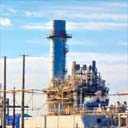 From a Bridge to a Destination: Gas-Fired Power After 2020
by American Clean Skies Foundation, 03/12/2012
On March 12, ACSF issued a new, 227-page publication which brings together more than a dozen presentations made at the Foundation’s landmark November 4, 2011, public forum on Carbon Capture and Sequestration (CCS) for natural gas-fired electricity generation. CCS for gas-fired plants may be needed over the long term if there is widespread future regulation of greenhouse gas emissions. The […]
 Potomac River Generating Station: Update on Reliability and Environmental Considerations
by Analysis Group, Inc., 07/20/2011
An ACSF-commissioned report says the coal-burning Potomac River Generating Station in Alexandria, VA. could be retired without impairing the power supply to the nation’s capital — once transmission and substations upgrades occur as scheduled next year. The aging, merchant coal plant has been a source of complaints from Alexandria and District of Columbia residents for […]
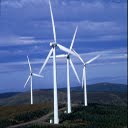 The Business Case for Integrating Clean Energy Resources to Replace Coal
by Joel Swisher, 06/15/2011
Power generators have the historic opportunity to replace much of the obsolete coal-fired generation fleet with a portfolio of renewable and demand-side resources, together with sufficient natural gas-fired generation to ensure reliability and lower emissions
This landmark three year study underwritten, in part, by ACSF, predicts that natural gas will provide an increasing share of domestic energy needs, doubling its share of power generation to 40 percent. The search for lower carbon energy sources and the abundant supply of shale gas will drive this transition says MIT.
The Climate Impact of Natural Gas and Coal-Fired Electricity: A Review of Fuel Chain Emissions Based on Updated EPA National Inventory Databy Gregory C. Staple and Joel Swisher, 04/19/2011
Relying on updated EPA data, this paper compares the fuel cycle greenhouse gas emissions for natural gas-fired electricity with coal-fired generation. On average, nationwide U.S. data show that natural gas-fired generation produces about 51 percent less greenhouse gas emissions than existing coal-fired plants.
 Final Report of Task Force on Ensuring Stable Natural Gas Markets
by American Clean Skies Foundation and the Bipartisan Policy Center, 03/22/2011
Based on the yearlong work of a diverse group of consumer; producer and environmental representatives, this 70-page report provides a comprehensive look at the factors affecting natural gas prices and how future instability can be mitigated. The report also concludes that U.S. natural gas prices have become more stable due to the growth of shale gas production and recommends that government policy encourage domestic natural gas development “subject to appropriate environmental safeguards.”
 Growing the Market for Clean Power: The EPA’s New Power Plant Regulations and What They Mean for Utilities and Public Health
by Gregory C. Staple and Christopher K. Carr, 12/16/2010
This paper reviews current and proposed EPA rules to reduce power plant pollution. It also discusses how utilities can comply with new EPA rules by shifting to cleaner generating fuels, such as natural gas and renewables.